
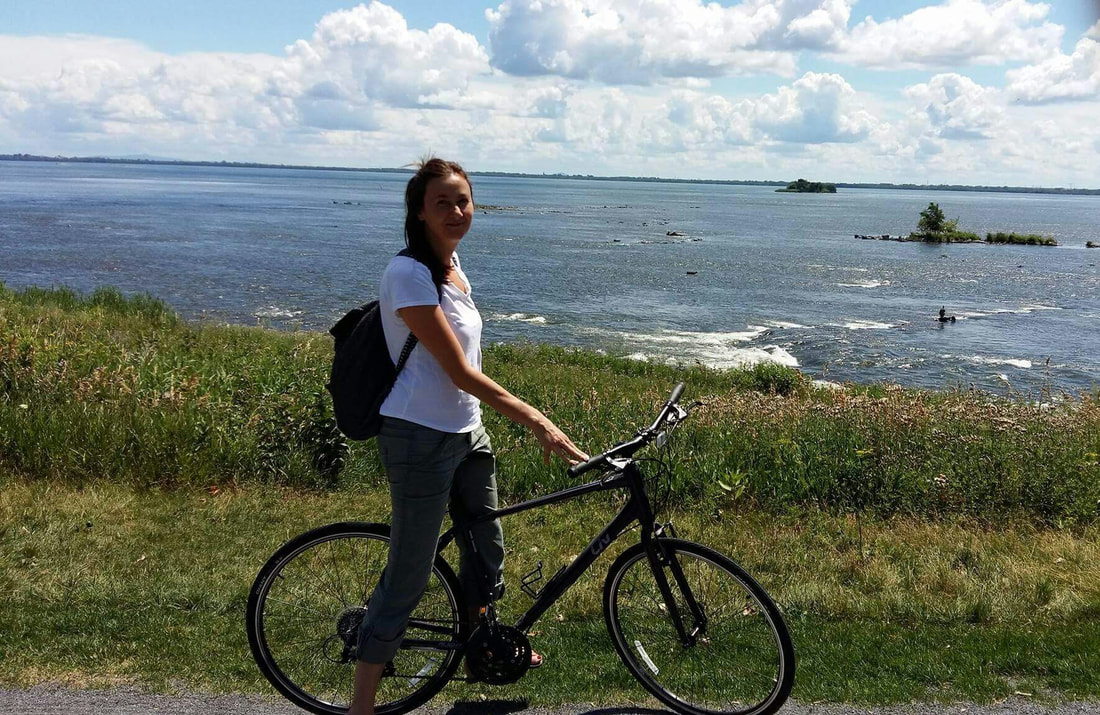
At the time when I was diagnosed with Palmoplantar Pustulosis I was quite frustrated with the lack of information out there regarding this skin disease. During a painful and lonely period of my life, I had a huge need to read about and hear from other people in the same situation as me, I wanted to know how other people were dealing/coping with this condition and if there was a chance of recovery and getting into remission. But there was very little information to be find back then. Personally I had never heard of nor met anyone with PPP before my diagnosis and this was quite frustrating. I had a big need to understand what type of disease PPP is and to find out how to overcome it if possible. Obviously I read all the major medical sites about Palmoplantar Pustulosis, but I couldn't find much info from actual sufferers, real people. I followed a few on Inspire (a medical forum) but there was no one there at the time which I followed who had healed from PPP (that I know of).
Readers who follow my blog and who have read my book, know that it was around the time of my diagnosis when I decided to take matters into my own hands to help myself to recovery. My philosophy was/is - if I could impair my own immune system by diet and lifestyle i could also turn things around again and fix it. So I started my research by reading a lot of books and medical reports on the subject. After putting my newly discovered knowledge into practice I successfully manage to heal from this condition in less then 3 months. My experience eventually led me to write my book which includes the story of my own PPP journey and what needs to be done to get well. It's now been nearly 10 years since I ended up in remission and 5 years since I wrote the book. Since my remission from palmoplantar pustulosis my drive has always been to help others , to be a voice of hope, a voice I didn't have when I was sick. This is why I love reading recovery stories like Michelle's, a fellow ex. PPP sufferer. It's so helpful for other people in the same situation. So please take your time to read the interview with Michelle by Autoimmune Wellness. This interview is about Michelle and what she did to heal from palmoplantar pustulosis. Her healing journey is very inspiring for anyone who's interested in going into remission the natural way without biologics. If you're interested in finding out more about healing from PPP by follow an autoimmune paleo diet (AIP), do consider follow Autoimmune wellness on Facebook. They post a lot of informative advise. Also consider join our PPP Facebook Global support group where you can interact with others with Palmoplantar Pustulosis for help and support. All the best, Åsa Kärrman Read more Palmplantar Pustulosis Success Stories
0 Comments
Leave a Reply. |
If you want to heal your palmoplantar Pustulosis naturally, Do get a copy of my book where I teach in detail how to succeed and how to end up in remission long term.

Get my free booklet outlining the foods you can eat and which ones to avoid while healing from PPP . Enter your email address below and click subscribe.
1. Why is it so difficult to diagnose Palmoplantar Pustulosis? |
 RSS Feed
Disclaimer and privacy policy terms:
Read our GDPR privacy policy here
The information and advice published or made available through the www.well-healed.com web site is not intended to replace the services of a doctor nor does it constitute a doctor-patient relationship. Information on this web site is provided for informational and educational purposes only and is not a substitute for professional medical advice. You should not use the information on this web site for diagnosing or treating a medical or health condition. You should consult a physician in all matters relating to your health, and particularly in respect to any symptoms that may require diagnosis or medical attention. Any action on your part in response to the information provided in this web site is at the reader’s discretion. Readers should consult their own doctors or naturopaths concerning the information on this web site. www.well-healed.com makes no representations or warranties with respect to any information offered or provided on or through the www.well-healed.com web site regarding treatment, action, or application of medication or therapies. www.well-healed.com is not liable for any direct or indirect claim, loss or damage resulting from use of this web site and/or any web site(s) linked to/from it. Well Healed is a participant in the Amazon Services LLC Associates Program, an affiliate advertising program designed to provide a means for sites to earn advertising fees by advertising and linking to amazon.com.
Read our GDPR privacy policy here
The information and advice published or made available through the www.well-healed.com web site is not intended to replace the services of a doctor nor does it constitute a doctor-patient relationship. Information on this web site is provided for informational and educational purposes only and is not a substitute for professional medical advice. You should not use the information on this web site for diagnosing or treating a medical or health condition. You should consult a physician in all matters relating to your health, and particularly in respect to any symptoms that may require diagnosis or medical attention. Any action on your part in response to the information provided in this web site is at the reader’s discretion. Readers should consult their own doctors or naturopaths concerning the information on this web site. www.well-healed.com makes no representations or warranties with respect to any information offered or provided on or through the www.well-healed.com web site regarding treatment, action, or application of medication or therapies. www.well-healed.com is not liable for any direct or indirect claim, loss or damage resulting from use of this web site and/or any web site(s) linked to/from it. Well Healed is a participant in the Amazon Services LLC Associates Program, an affiliate advertising program designed to provide a means for sites to earn advertising fees by advertising and linking to amazon.com.