Pictures of Palmoplantar Pustulosis
This is how Palmoplantar Pustulosis looks like!Palmoplantar Pustulosis is a chronic skin condition difficult to diagnose, and many doctors are giving the wrong diagnosis at first. I was first diagnosed with Herpes and 10 minutes later the doctor changed her mind and told me I was having the foot and mouth disease, to finally change her mind again and confirmed I had scabies (this was all during the same doctors appointment)
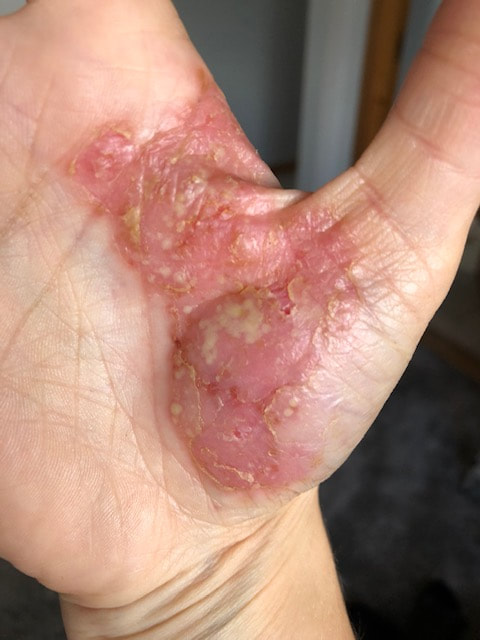
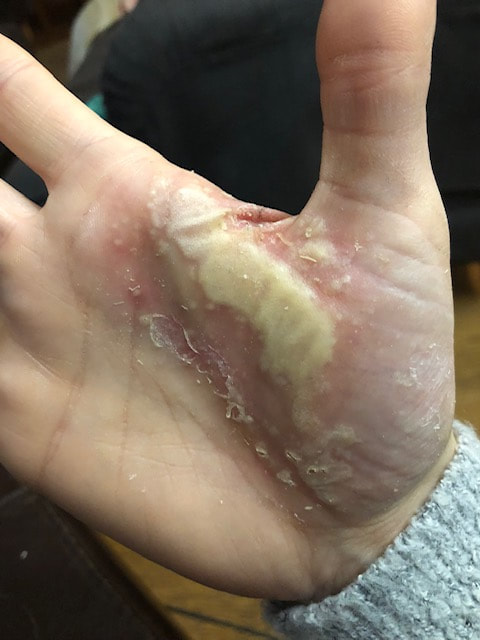
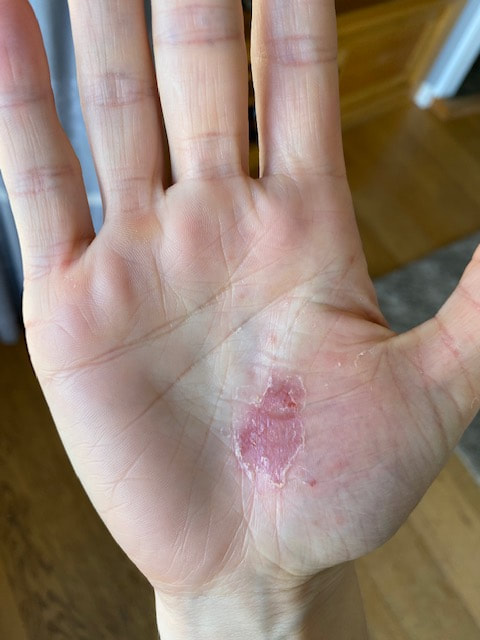
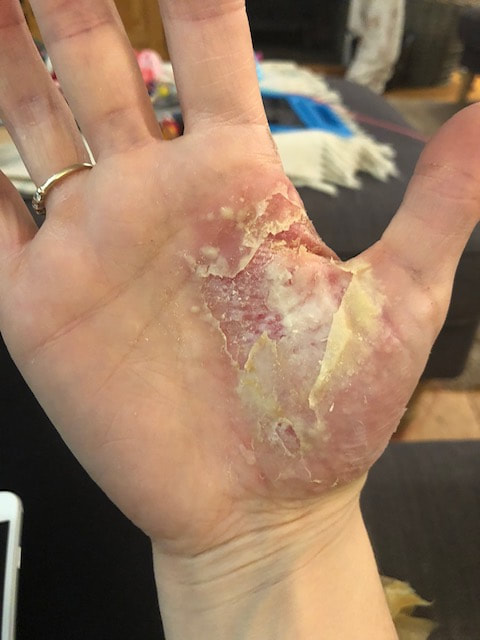
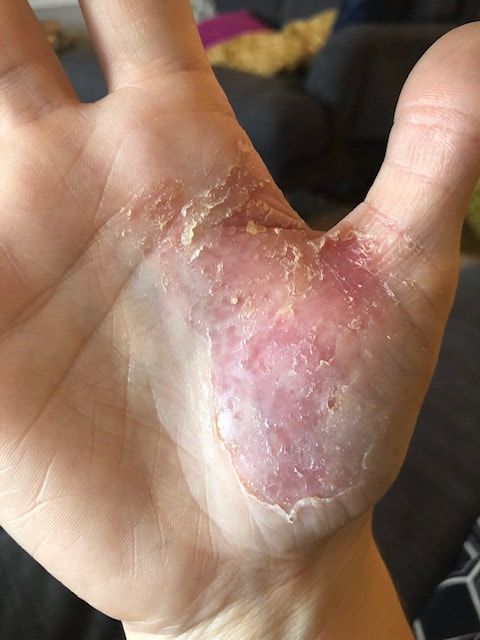
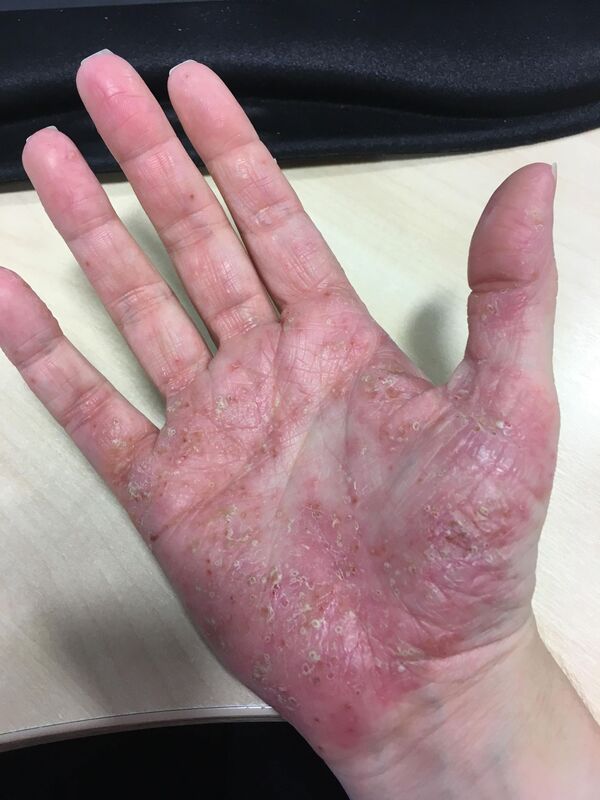
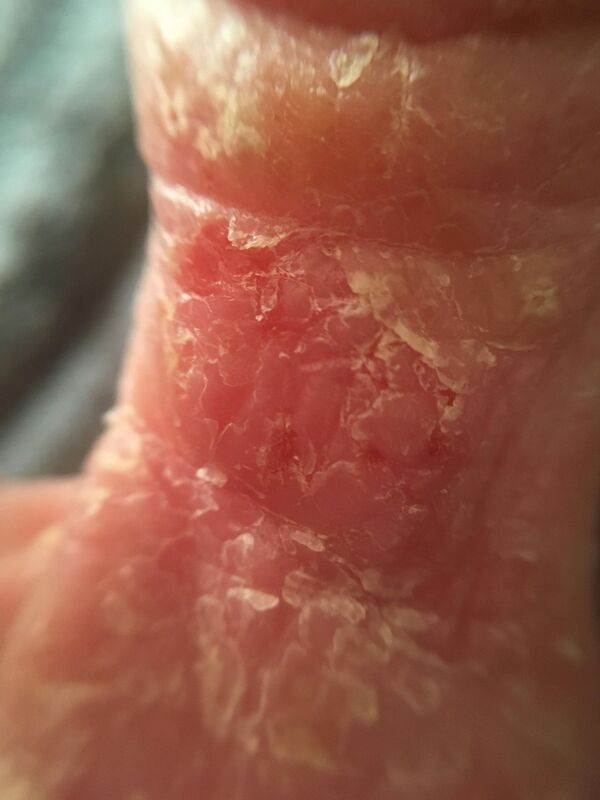
In Palmoplantar Pustulosis, the pustules (blisters) only occur on the hands and feet. The skin under and around the pustules are red and the blisters tend to occur in cycles over a period of days or weeks. A PPP outbreak on the feet often starts out with an area of small little pin sized red dots, while on the hands it starts of with small little transparent blisters right under the skin. These are hard to see at first at the beginning of a new outbreak/cycle. Another symptom is a severe itch, it's difficult to stop scratching which makes it even worse. The reason why PPP is so difficult to diagnose is likely due to the disease is so unusual and a lot of doctors have not heard of PPP nor met a patient with Palmoplantar Pustulosis before, and therefore give their patients another diagnosis such an allergy, eczema or another skin condition. If you suspect you have PPP please book an appointment with your dermatologist to get it confirmed. They will do a laboratory test to make sure there are no bacterial infection. PPP blisters are sterile and not contagious. |


If you want to heal your palmoplantar Pustulosis naturally, Do get a copy of my book where I teach in detail how to succeed and how to end up in remission long term.
|
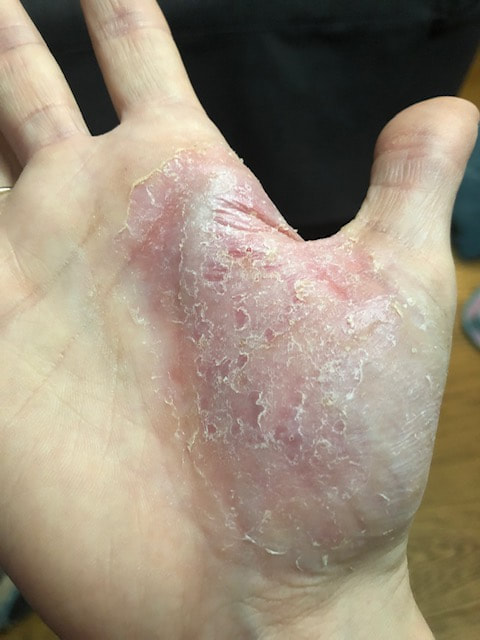
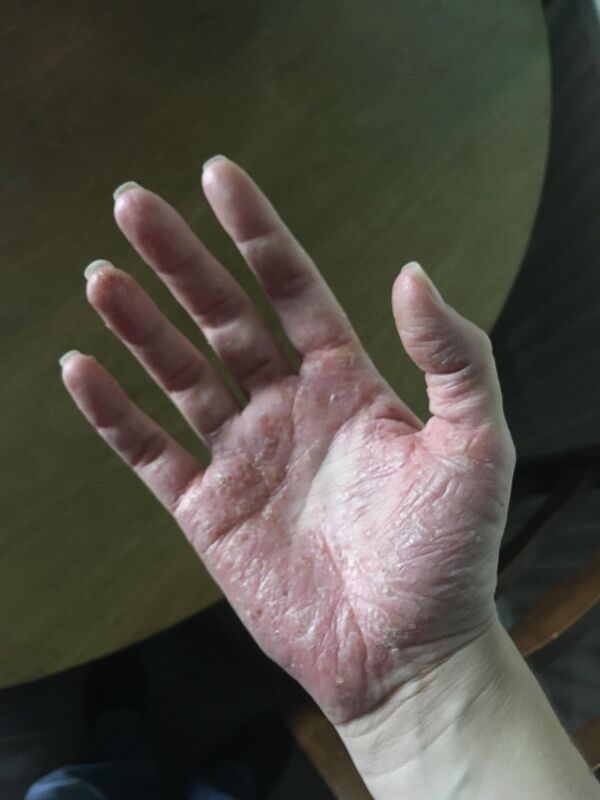
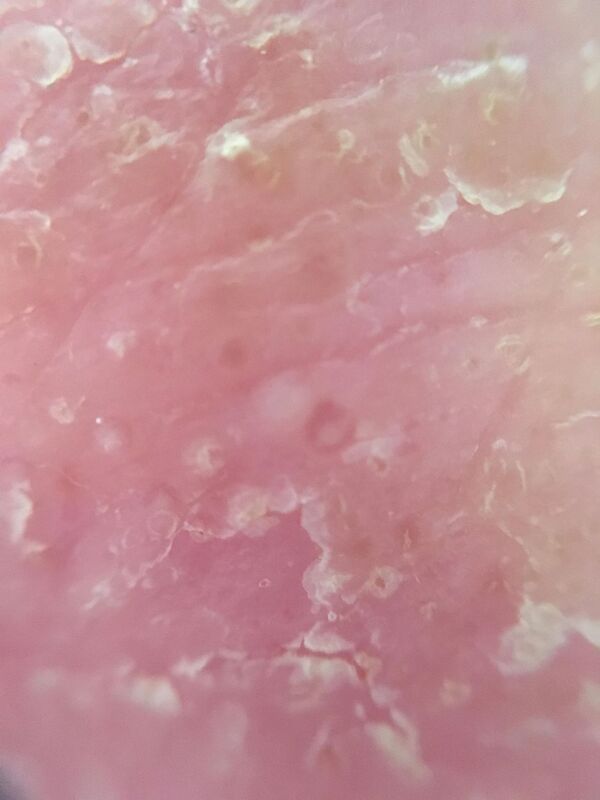
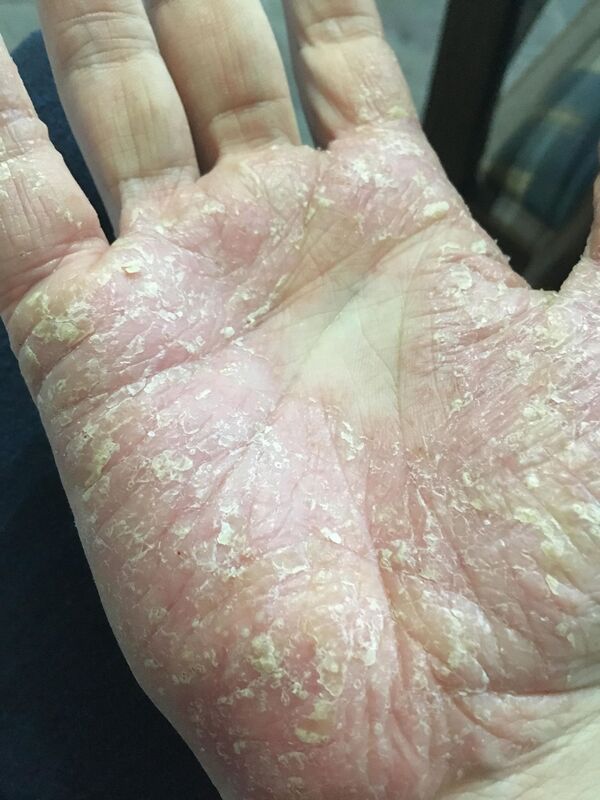
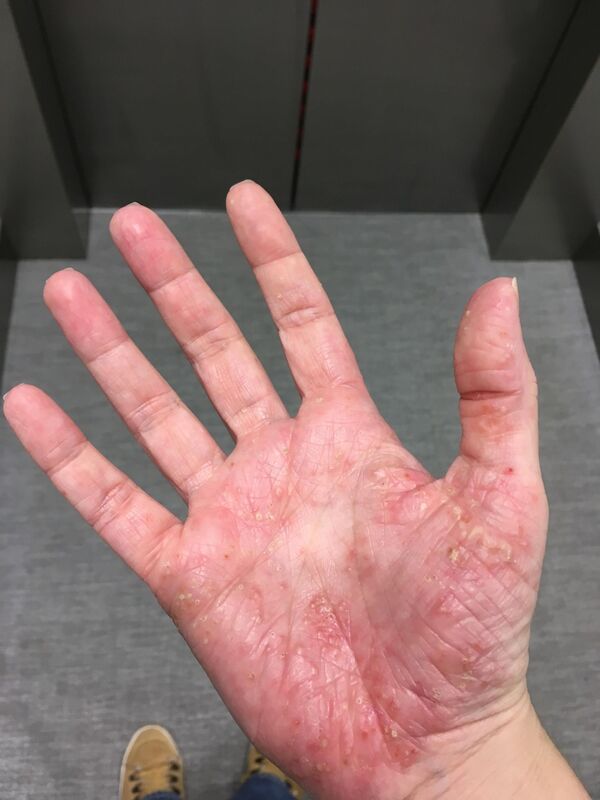
Pictures of Palmoplantar Pustulosis on hands
|
|
|
The female in the photos above have had PPP for 5 years. The really big blister in photo 4, is taken just shortly after she stopped using a steroid cream. She ended up in remission after cutting out gluten and reduced her sugar intake. She recently had a re-laps of the disease probably due to stress. She has now started a stricter diet and are working towards remission once again.


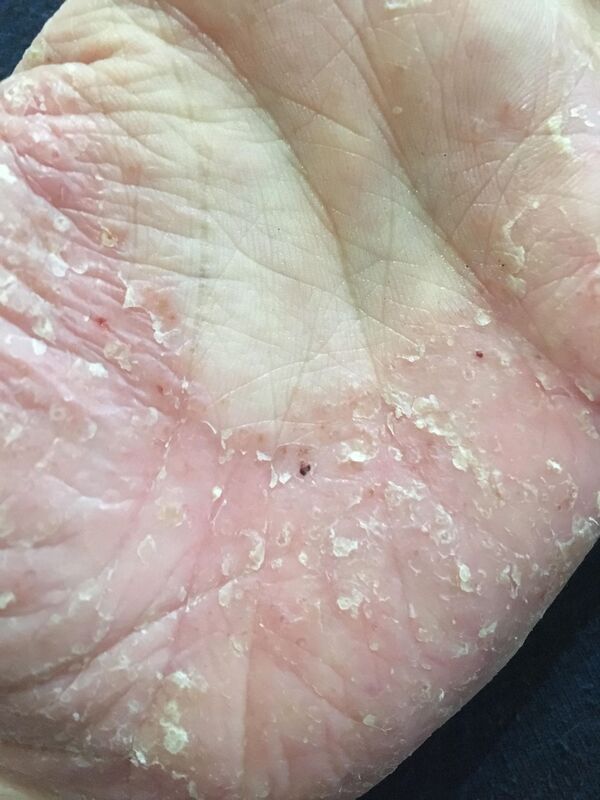

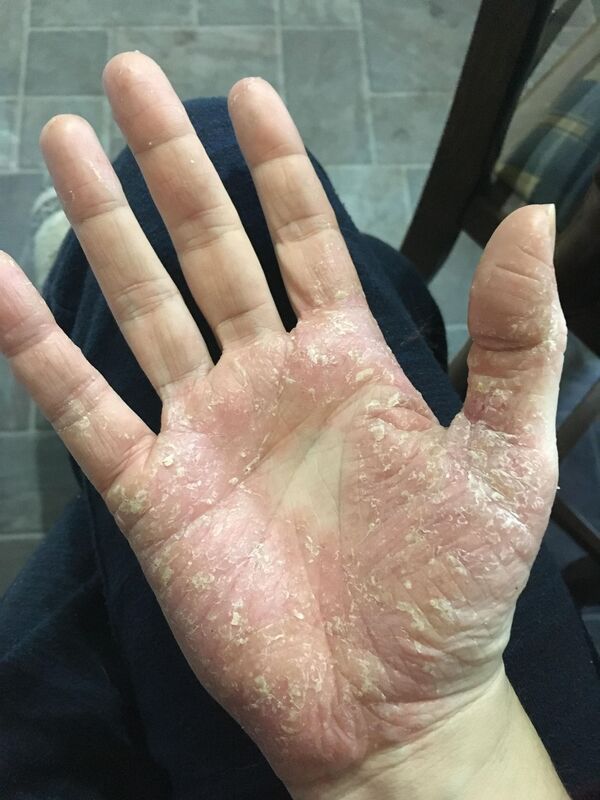
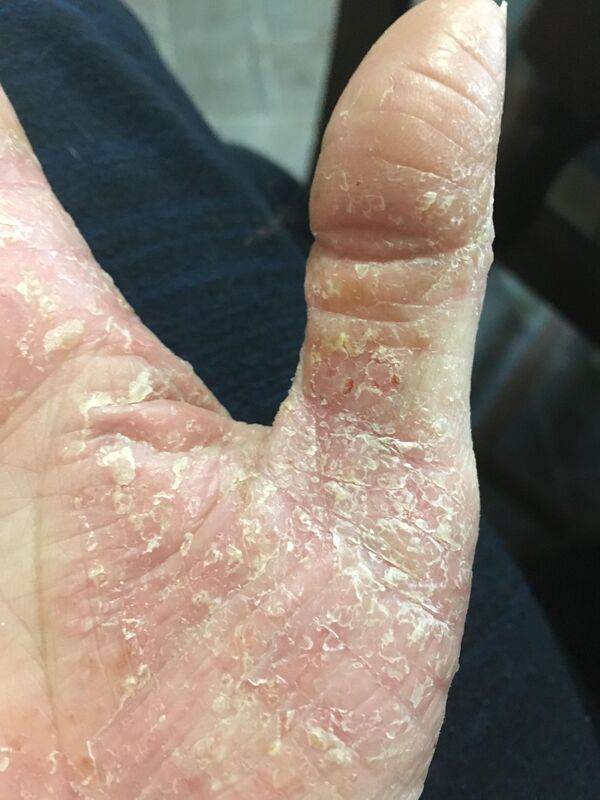
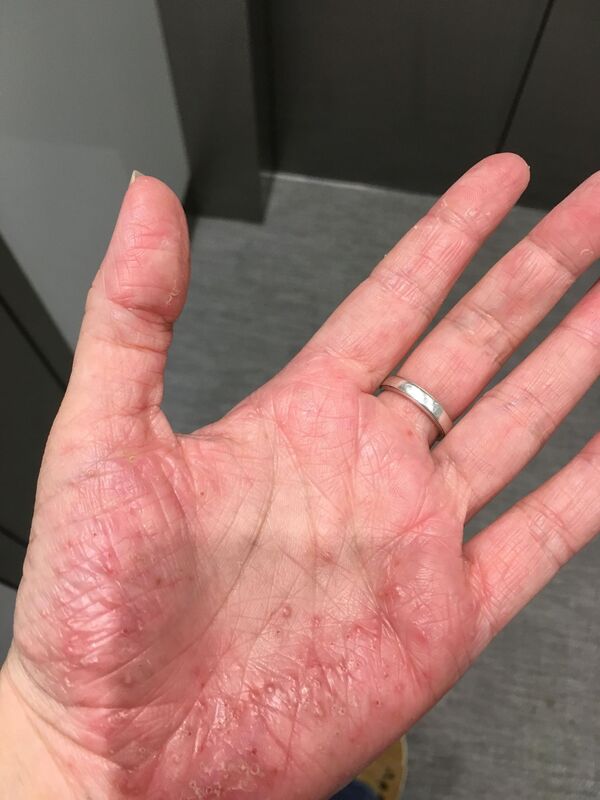


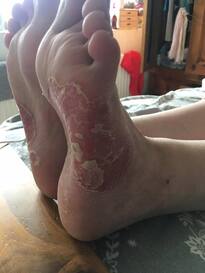
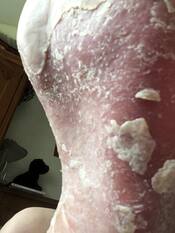
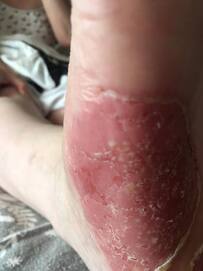
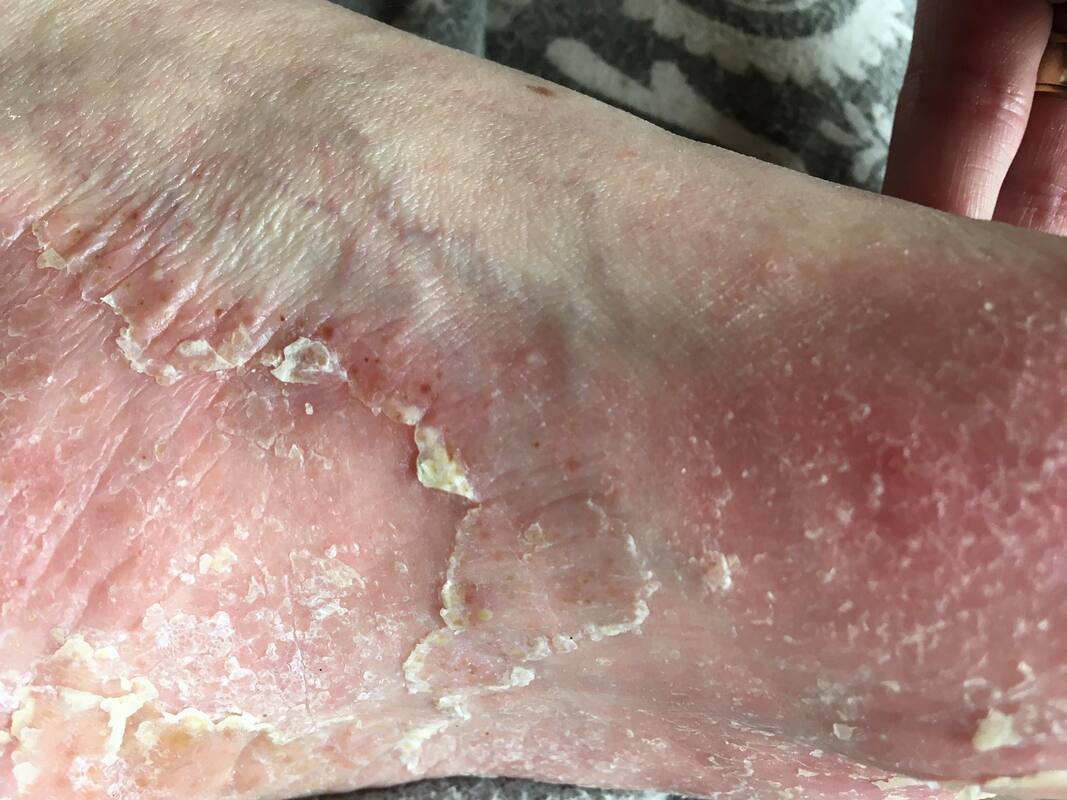
Pictures of Palmoplantar Pustulosis on feet
|
|
|
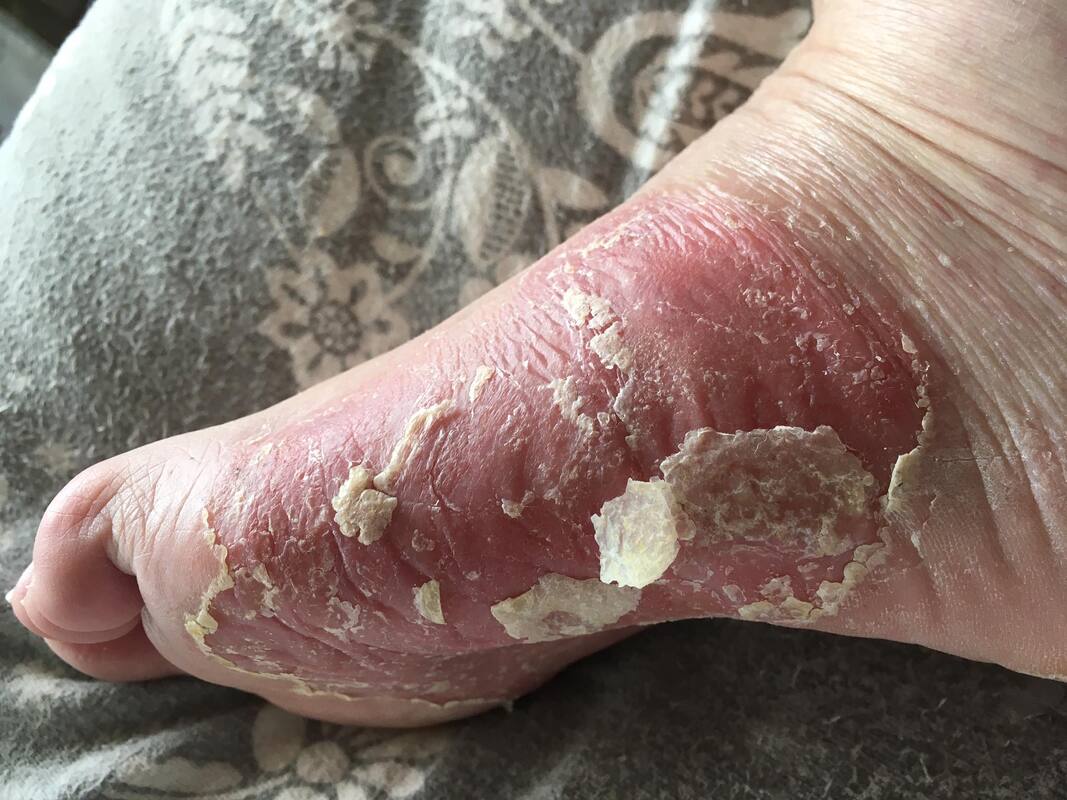
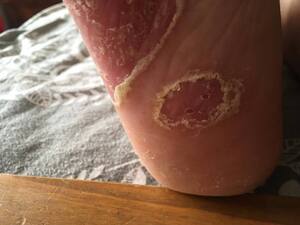
This woman have palmoplantar pustulosis on both her feet (no outbreaks on her hands)
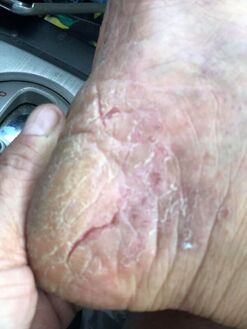
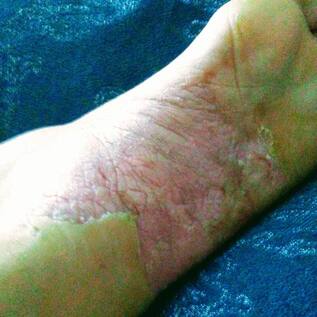
Palmoplantar Pustulosis causes painful cracks in the skin
|
|
This lady above was diagnosed 8 years ago during the time of caring for her dad with Dementia, so her trigger to onset this disease was probably stress related. She had spells of remission about every 2 years but are going through a flare right now. In these photos you can see the typical cracks that characterise PPP.
Pictures of a severe Palmoplantar Psoriasis outbreak
|
|
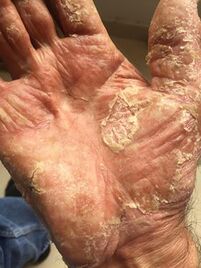
|
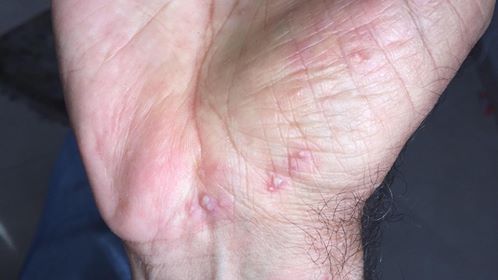
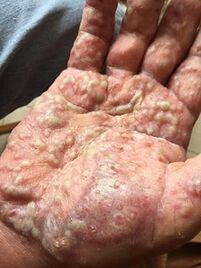
This 68 year old man in the pictures above are suffering from Palmoplantar psoriasis. His first outbreak happened really fast. The blisters on his hand in the first photo developed in less than three hours. 3 days later he had it all over his body and ended up in hospital for 9 days. He is now getting treated with biologics which is helping a little.
Palmoplantar Pustulosis in remission
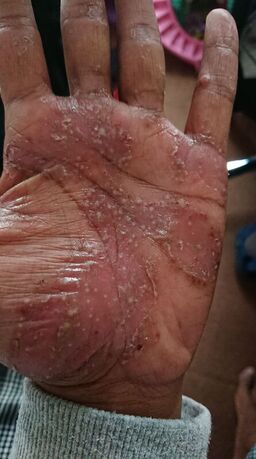
|
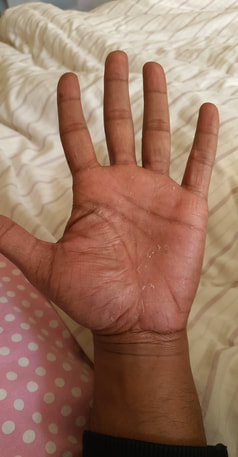
|
This is a before and after picture of a man who used to have PPP on his hand. He cleared his Palmoplantar pustulosis after cutting out some of the bad foods he used to eat. He has also been using coal tar on his hand (Exorex).
The photos above are from members of our Facebook Global Support group who's given me the permission to post them on my website.
If you want to learn more about what causes PPP, the symptoms, the triggers, the treatments and how to heal naturally, do consider reading my book. I’m sure you will find it very helpful.
The photos above are from members of our Facebook Global Support group who's given me the permission to post them on my website.
If you want to learn more about what causes PPP, the symptoms, the triggers, the treatments and how to heal naturally, do consider reading my book. I’m sure you will find it very helpful.