
The modern diet has destroyed our gut health! If you want to heal your PPP - Focus on your gut11/21/2022 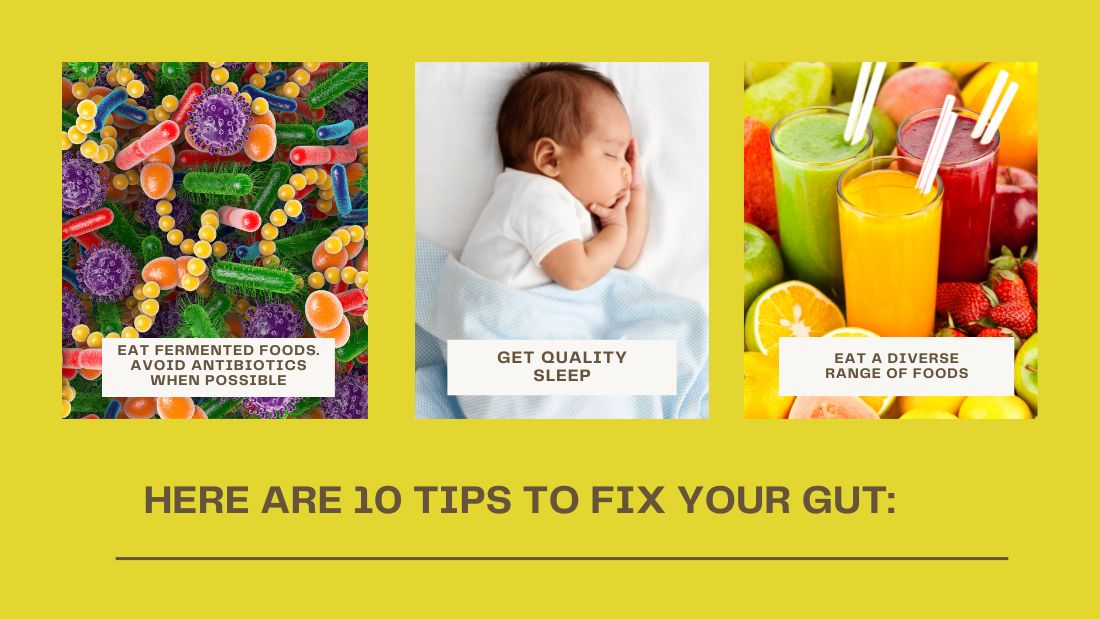 Use these 10 tips to fix your gut:As I stress in my book, your gut is one of the most important (and ignored) parts of your health. To be able to heal from Palmoplantar Pustulosis you need to look after your gut. Your gut bacteria influence your whole body such as:
Here are 10 tips to fix your gut:
10. Eat foods high in polyphenols. Polyphenols are plant compounds that help reduce blood pressure, inflammation, cholesterol levels, and oxidative stress. They're found in:
Summary: 10 tips to fix your gut health:
0 Comments
Leave a Reply. |

If you want to heal your palmoplantar Pustulosis naturally, Do get a copy of my book where I teach in detail how to succeed and how to end up in remission long term.

Get my free booklet outlining the foods you can eat and which ones to avoid while healing from PPP . Enter your email address below and click subscribe.
1. Why is it so difficult to diagnose Palmoplantar Pustulosis? |
 RSS Feed
Disclaimer and privacy policy terms:
Read our GDPR privacy policy here
The information and advice published or made available through the www.well-healed.com web site is not intended to replace the services of a doctor nor does it constitute a doctor-patient relationship. Information on this web site is provided for informational and educational purposes only and is not a substitute for professional medical advice. You should not use the information on this web site for diagnosing or treating a medical or health condition. You should consult a physician in all matters relating to your health, and particularly in respect to any symptoms that may require diagnosis or medical attention. Any action on your part in response to the information provided in this web site is at the reader’s discretion. Readers should consult their own doctors or naturopaths concerning the information on this web site. www.well-healed.com makes no representations or warranties with respect to any information offered or provided on or through the www.well-healed.com web site regarding treatment, action, or application of medication or therapies. www.well-healed.com is not liable for any direct or indirect claim, loss or damage resulting from use of this web site and/or any web site(s) linked to/from it. Well Healed is a participant in the Amazon Services LLC Associates Program, an affiliate advertising program designed to provide a means for sites to earn advertising fees by advertising and linking to amazon.com.
Read our GDPR privacy policy here
The information and advice published or made available through the www.well-healed.com web site is not intended to replace the services of a doctor nor does it constitute a doctor-patient relationship. Information on this web site is provided for informational and educational purposes only and is not a substitute for professional medical advice. You should not use the information on this web site for diagnosing or treating a medical or health condition. You should consult a physician in all matters relating to your health, and particularly in respect to any symptoms that may require diagnosis or medical attention. Any action on your part in response to the information provided in this web site is at the reader’s discretion. Readers should consult their own doctors or naturopaths concerning the information on this web site. www.well-healed.com makes no representations or warranties with respect to any information offered or provided on or through the www.well-healed.com web site regarding treatment, action, or application of medication or therapies. www.well-healed.com is not liable for any direct or indirect claim, loss or damage resulting from use of this web site and/or any web site(s) linked to/from it. Well Healed is a participant in the Amazon Services LLC Associates Program, an affiliate advertising program designed to provide a means for sites to earn advertising fees by advertising and linking to amazon.com.