
 Twelve years ago, I embarked on a life-changing journey to heal from an autoimmune disease called palmoplantar pustulosis. When I was first diagnosed with PPP, I felt lost and uncertain about the road ahead. When my doctor suggested biologics as a treatment option, I felt a mixture of hope and apprehension. Biologics, while known for their efficacy in managing autoimmune diseases, come with a laundry list of potential side effects. These side effects can range from mild discomfort to more severe complications, such as increased susceptibility to infections, liver damage, other autoimmune diseases and even cancer. I was also told I was not allowed to get pregnant while undergoing biologic treatment. Even though I didn't plan for any more children, the idea of a biologic being harmful to a developing fetus, got me thinking of the harms it could do to my own body. This restriction deeply impacted me and as I pondered over these risks, I couldn't help but wonder if there was an alternative way to address the root cause of my condition without subjecting myself to these potential consequences. Little did I know that a world of natural healing options awaited me, and it was through hours of dedicated study of the immune system that I discovered the possibility of healing naturally. Today, as I reflect on my journey of being healed from PPP for over 12 years, I am filled with gratitude for the knowledge I gained and the transformative power of taking a holistic approach to my autoimmune disease. If you find yourself facing the difficult decision of choosing between biologics and natural healing for your health journey, know that you are not alone. It's a choice that countless individuals with chronic illnesses grapple with. Each path carries its own merits and considerations, and it's crucial to make an informed decision that aligns with your values, desires, and unique circumstances. While I cannot make the decision for you, I can offer some guidance and insights to help you navigate this challenging choice. So let's explore the key factors to consider and empower you to make the best decision for your well-being.
Understanding Biologics: Biologics are a class of medications that have shown effectiveness in managing autoimmune diseases. They work by targeting specific components of the immune system to reduce inflammation and suppress immune responses. These medications are often prescribed when symptoms are severe or other treatments have failed. It's important to consult with your healthcare provider to understand the specific biologic options available for your condition. Exploring Natural Healing: Natural healing approaches encompass a wide range of holistic practices, including dietary changes, lifestyle adjustments, vitamin supplements, reducing stress, and more. These methods aim to support the body's innate healing abilities, address underlying imbalances, and promote overall well-being. It's essential to approach natural healing with an open mind and a commitment to making sustainable and behavioural lifestyle changes. Weighing the Benefits and Risks: Consider the potential benefits and risks associated with both biologics and natural healing: Biologics: These medications can provide significant relief from symptoms and may help prevent disease progression. However, they come with potential side effects, ranging from mild discomfort to more severe complications as I mention above. It's crucial to thoroughly discuss these risks with your healthcare provider. Natural Healing: While natural healing methods generally have minimal to no side effects, they require dedication, patience, and lifestyle adjustments. Natural approaches focus on addressing the root cause of the illness and promoting overall well-being. It's important to note that results may vary, and individual experiences will differ. Personal Values and Beliefs: Consider your personal values and beliefs when making this decision. Some individuals prioritize the convenience and immediate relief offered by biologics, while others prioritize a more holistic and natural approach that focuses on long-term healing and overall well-being. Assess what resonates with you, and listen to your intuition. Conclusion: Ultimately, the decision between biologics and natural healing is deeply personal. There is no one-size-fits-all solution, as each person's journey and needs are unique. Take the time to educate yourself, consult with several healthcare professionals, and listen to your inner voice. Remember, you have the power to take control of your health and choose the path that feels right for you. Trust in your ability to make an informed decision and embrace the healing journey that lies ahead. If you're interested in diving deeper into my journey with palmoplantar pustulosis (PPP), gaining insights into the workings of the immune system, and discovering the steps I took to achieve recovery, I highly recommend checking out my book. It offers a lot of inspiration and valuable information for those seeking a path towards healing. Wishing you all the best on your own journey, Åsa
4 Comments
Maria
8/8/2023 03:08:40 pm
I have just purchased your book and reading your blog, thanks for all the info. Starting the journey
Åsa Well-Healed
8/9/2023 07:50:07 pm
Thank you Maria 🙂
Loui
6/28/2024 06:12:40 pm
Hi åsa, Big thanx for writing the book,i Will try your Path, but Can you tell me what brand of Colloid silver you use please? And how u take it and When? Its very confusing to find out i Think. Hope u Can help. All the best from Loui in denmark.
Hi Loui, Leave a Reply. |

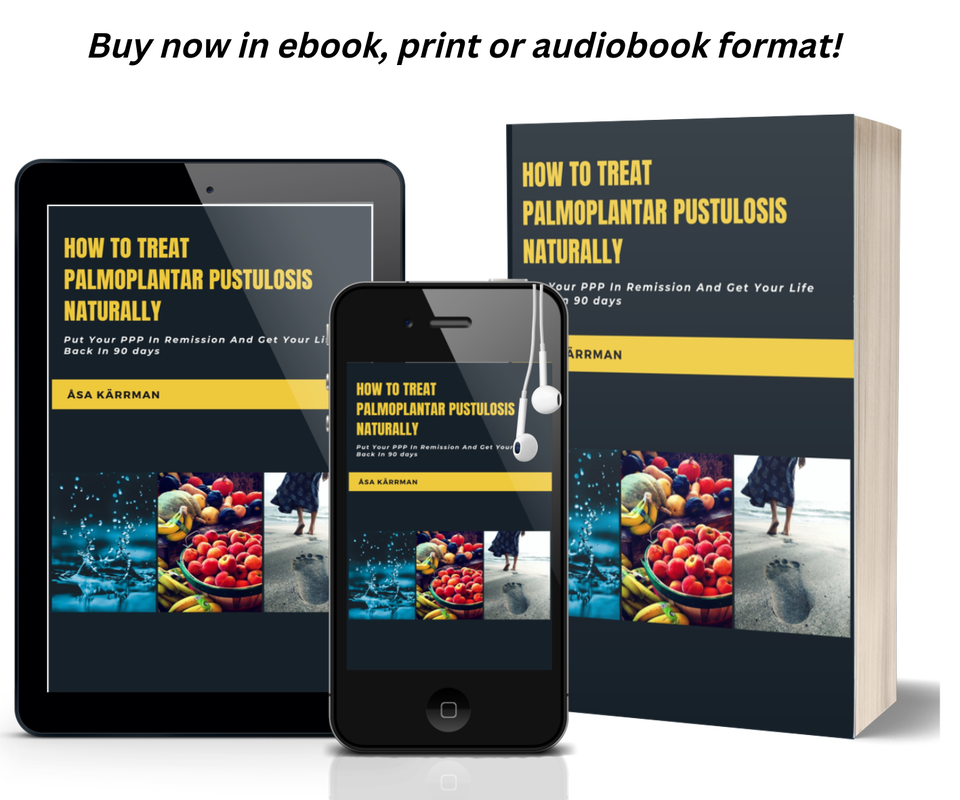
If you want to heal your palmoplantar Pustulosis naturally, Do get a copy of my book where I teach in detail how to succeed and how to end up in remission long term.

Get my free booklet outlining the foods you can eat and which ones to avoid while healing from PPP . Enter your email address below and click subscribe.
1. Why is it so difficult to diagnose Palmoplantar Pustulosis? |
 RSS Feed
Disclaimer and privacy policy terms:
Read our GDPR privacy policy here
The information and advice published or made available through the www.well-healed.com web site is not intended to replace the services of a doctor nor does it constitute a doctor-patient relationship. Information on this web site is provided for informational and educational purposes only and is not a substitute for professional medical advice. You should not use the information on this web site for diagnosing or treating a medical or health condition. You should consult a physician in all matters relating to your health, and particularly in respect to any symptoms that may require diagnosis or medical attention. Any action on your part in response to the information provided in this web site is at the reader’s discretion. Readers should consult their own doctors or naturopaths concerning the information on this web site. www.well-healed.com makes no representations or warranties with respect to any information offered or provided on or through the www.well-healed.com web site regarding treatment, action, or application of medication or therapies. www.well-healed.com is not liable for any direct or indirect claim, loss or damage resulting from use of this web site and/or any web site(s) linked to/from it. Well Healed is a participant in the Amazon Services LLC Associates Program, an affiliate advertising program designed to provide a means for sites to earn advertising fees by advertising and linking to amazon.com.
Read our GDPR privacy policy here
The information and advice published or made available through the www.well-healed.com web site is not intended to replace the services of a doctor nor does it constitute a doctor-patient relationship. Information on this web site is provided for informational and educational purposes only and is not a substitute for professional medical advice. You should not use the information on this web site for diagnosing or treating a medical or health condition. You should consult a physician in all matters relating to your health, and particularly in respect to any symptoms that may require diagnosis or medical attention. Any action on your part in response to the information provided in this web site is at the reader’s discretion. Readers should consult their own doctors or naturopaths concerning the information on this web site. www.well-healed.com makes no representations or warranties with respect to any information offered or provided on or through the www.well-healed.com web site regarding treatment, action, or application of medication or therapies. www.well-healed.com is not liable for any direct or indirect claim, loss or damage resulting from use of this web site and/or any web site(s) linked to/from it. Well Healed is a participant in the Amazon Services LLC Associates Program, an affiliate advertising program designed to provide a means for sites to earn advertising fees by advertising and linking to amazon.com.