
Behavioural change is a must to successfully recovering from Palmoplantar Pustulosis Psoriasis.12/14/2022 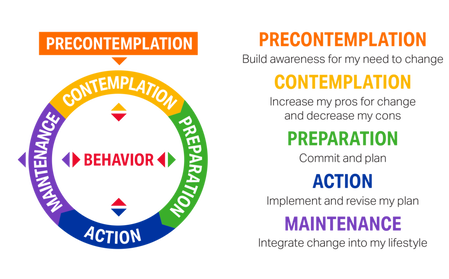 Behavioural change is an important aspect of improving our health and wellbeing. Whether it's quitting smoking, cut down on alcohol, exercising more, or eating a healthier diet, making changes to our behaviours will have a big impact on our health and to clear your PPP.
But behavioural change is not always easy. It often requires effort and support from others to be successful. For example, if you're trying to quit smoking, you may need support from friends and family to help you through the difficult times. Or if you're trying to exercise more, you may need to find a workout buddy to keep you motivated, same goes for changing your diet which i crucial to be able to heal your PPP. There are many reasons why some people may not succeed with behavioural change. Some common reasons include a lack of motivation, inadequate support or resources, and a lack of clear goals or plans. Additionally, some people may be more resistant to change than others, or they may have underlying psychological or emotional issues that make it difficult for them to make and sustain changes in their behaviour. Ultimately, success with behavioural change is a complex process that involves many different factors. One important aspect of successful behavioural change is setting specific, achievable goals. Rather than saying "I want to be healthier," try setting a goal like "I want to quit sugar and gluten for 30 days." This specific goal gives you something concrete to work towards, and can help you track your progress. Another important aspect of successful behavioural change is finding ways to make the new behaviour easier to do. For example, if your goal is to eat more vegetables, you may need to find ways to make vegetables more convenient to eat. This could mean pre-cutting them and storing them in the fridge, or finding healthy recipes that incorporate vegetables in a way that's tasty and easy to make. Finally, it's important to be patient and persistent with yourself. Behavioural change takes time, and there will be setbacks along the way. But with effort and support, you can make lasting changes to your behaviours and improve your health. In summary, behavioural change is an important part of improving our health. By setting specific, achievable goals, finding ways to make the new behaviour easier to do, and being patient and persistent, we can make positive changes to our behaviours and improve our health. The Five Stages of Change 1. Pre-contemplation (not ready) The individual is not ready, nor intending, to take action (regarding a particular behaviour or issue) in the foreseeable future, and is generally unaware that this behaviour is problematic. Pessimistic about his ability to make change, or in denial regarding the negative effects of his existing lifestyle habits, he selectively filters information that helps confirm his decision not to make any changes. 2. Contemplation (getting ready) The individual begins to recognize that his behaviour is problematic, and start to weigh the pros and cons, the costs and benefits, of continuing or modifying his current lifestyle. Many will choose to stay in this contemplative stage for years. 3. Preparation (ready) The individual intends to take action in the immediate future, and may begin taking small steps toward behavioural change or modification. 4. Action The individual takes specific and overt steps to modify a particular problematic behaviour, to make a lifestyle change, or to acquire new, healthy behaviours (individuals in this stage are at the greatest risk of relapse). 5. Maintenance The individual is able to sustain action for at least six months and works to prevent relapse; this is the stage of successful, sustained lifestyle modification. Changes are hard at first, but at the same time they can be fun and challenging. Try to embrace the change instead of fear it. The outcome in the end is almost always grater then the fear you felt in the beginning. Be the change that you wish to see in the world 😀💪 Åsa.
0 Comments
Leave a Reply. |

If you want to heal your palmoplantar Pustulosis naturally, Do get a copy of my book where I teach in detail how to succeed and how to end up in remission long term.

Get my free booklet outlining the foods you can eat and which ones to avoid while healing from PPP . Enter your email address below and click subscribe.
1. Why is it so difficult to diagnose Palmoplantar Pustulosis? |
 RSS Feed
Disclaimer and privacy policy terms:
Read our GDPR privacy policy here
The information and advice published or made available through the www.well-healed.com web site is not intended to replace the services of a doctor nor does it constitute a doctor-patient relationship. Information on this web site is provided for informational and educational purposes only and is not a substitute for professional medical advice. You should not use the information on this web site for diagnosing or treating a medical or health condition. You should consult a physician in all matters relating to your health, and particularly in respect to any symptoms that may require diagnosis or medical attention. Any action on your part in response to the information provided in this web site is at the reader’s discretion. Readers should consult their own doctors or naturopaths concerning the information on this web site. www.well-healed.com makes no representations or warranties with respect to any information offered or provided on or through the www.well-healed.com web site regarding treatment, action, or application of medication or therapies. www.well-healed.com is not liable for any direct or indirect claim, loss or damage resulting from use of this web site and/or any web site(s) linked to/from it. Well Healed is a participant in the Amazon Services LLC Associates Program, an affiliate advertising program designed to provide a means for sites to earn advertising fees by advertising and linking to amazon.com.
Read our GDPR privacy policy here
The information and advice published or made available through the www.well-healed.com web site is not intended to replace the services of a doctor nor does it constitute a doctor-patient relationship. Information on this web site is provided for informational and educational purposes only and is not a substitute for professional medical advice. You should not use the information on this web site for diagnosing or treating a medical or health condition. You should consult a physician in all matters relating to your health, and particularly in respect to any symptoms that may require diagnosis or medical attention. Any action on your part in response to the information provided in this web site is at the reader’s discretion. Readers should consult their own doctors or naturopaths concerning the information on this web site. www.well-healed.com makes no representations or warranties with respect to any information offered or provided on or through the www.well-healed.com web site regarding treatment, action, or application of medication or therapies. www.well-healed.com is not liable for any direct or indirect claim, loss or damage resulting from use of this web site and/or any web site(s) linked to/from it. Well Healed is a participant in the Amazon Services LLC Associates Program, an affiliate advertising program designed to provide a means for sites to earn advertising fees by advertising and linking to amazon.com.